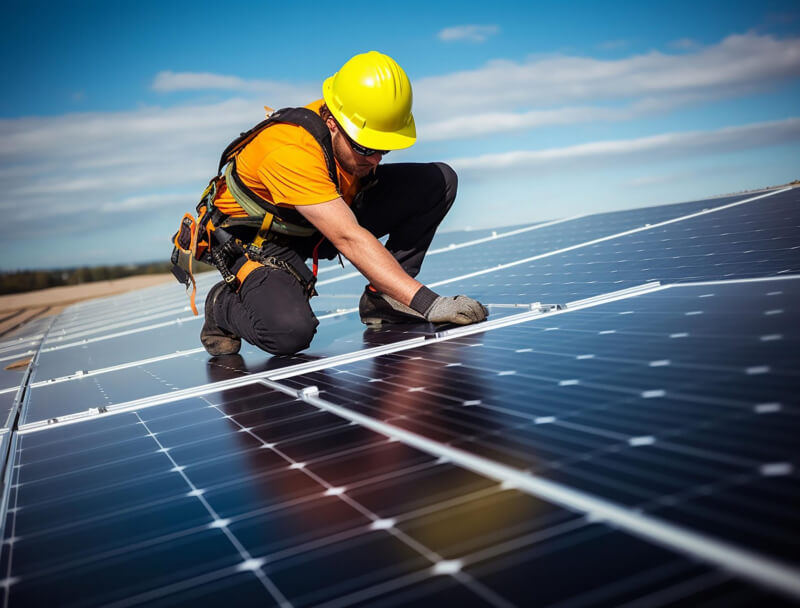
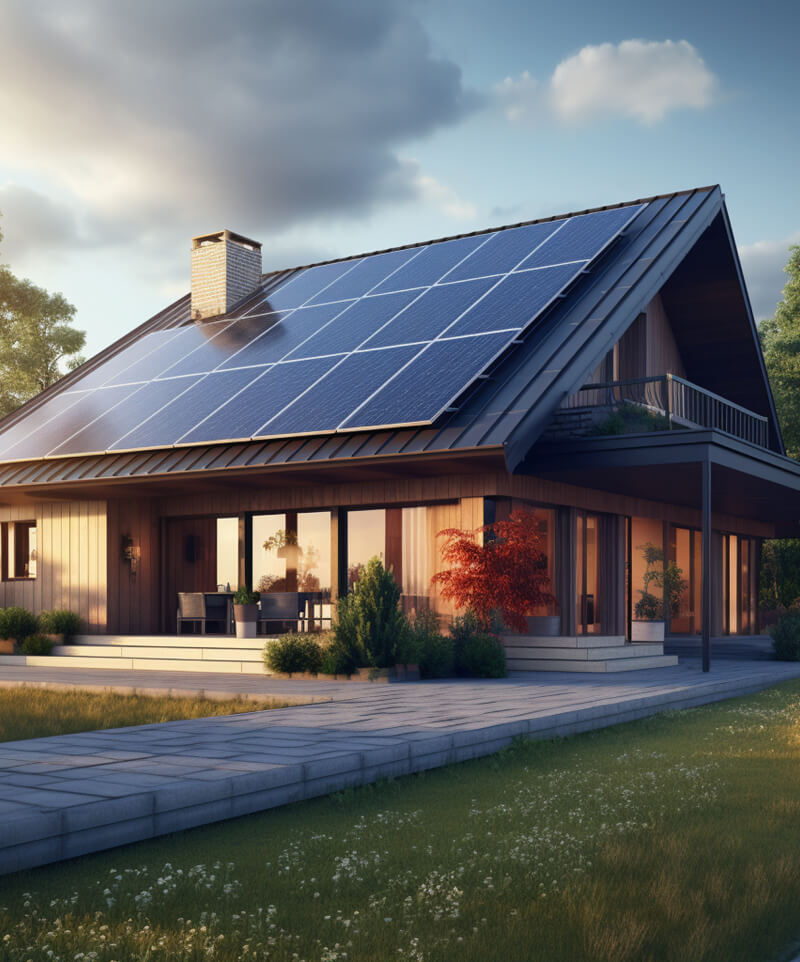
Solar installation involves setting up photovoltaic (PV) panels and associated equipment to harness sunlight and convert it into usable electricity. The process typically starts with a site assessment to determine the feasibility, optimal placement, and energy requirements. Once designed, panels are mounted on rooftops or ground structures, connected through wiring, and linked to an inverter that converts direct current (DC) into alternating current (AC) for household or commercial use.
A professional solar installation includes several steps: system design, permit acquisition, mounting hardware setup, electrical connections, and final inspections. Certified installers ensure panels are placed at the correct angle and orientation for maximum sunlight exposure. The system is then tested for safety, performance, and efficiency before being connected to the grid or an energy storage unit like a battery.
Opting for professional installation ensures safety, compliance with local regulations, and optimal energy output. It minimizes potential issues like improper wiring, roof damage, or reduced efficiency due to poor panel placement. Additionally, expert installation often comes with warranties and technical support, ensuring long-term reliability and performance of the solar energy system.
Choosing our solar installation services means partnering with a team of experienced professionals dedicated to delivering high-quality, efficient, and reliable solar energy solutions. We prioritize customer satisfaction, ensuring that every project is tailored to meet specific energy needs and budget constraints. Our commitment to using top-tier materials and the latest technology guarantees optimal performance and longevity of your solar system.
At SolarG, we believe successful solar projects begin with precise planning and well-defined strategies. We ensure that, everything is backed by expert research and proven methods.
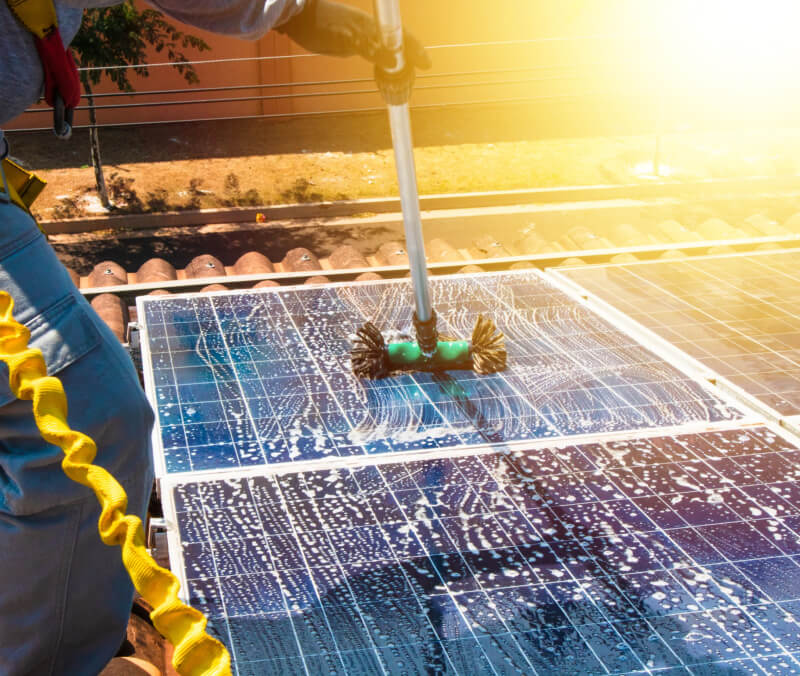
Yes. SolarG offers regular maintenance, system health checks, and cleaning services to ensure maximum performance and longevity of your solar setup.
Solar energy reduces electricity bills, lowers carbon emissions, offers energy independence, and increases property value while providing a sustainable power source.
Savings depend on your energy usage and system size. On average, homeowners save 30–50% on electricity bills after switching to solar.
Solar panels can still generate power on cloudy days, though at a reduced rate. At night, stored energy from batteries or grid connection supplies power.